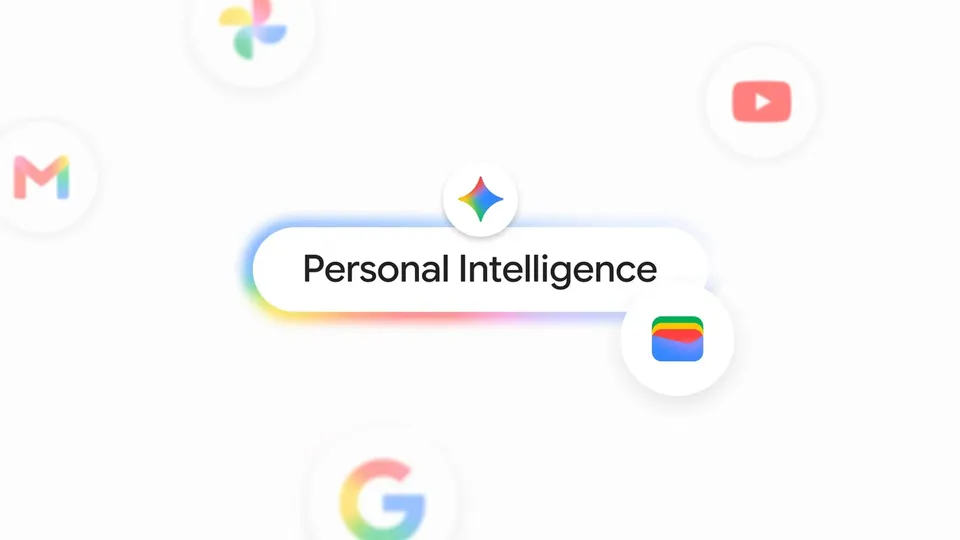
Google connects Gemini to Google Wallet for spending insights
Google is adding a Google Wallet connection for every US user of the Gemini app. Access is read-only, but Google may train AI on transaction summaries if users keep Gemini activity on.

Google is adding a Google Wallet connection for every US user of the Gemini app. Access is read-only, but Google may train AI on transaction summaries if users keep Gemini activity on.

Google Wallet users can ask Gemini to analyse spending, identify subscriptions that have become more expensive and suggest budgets. They can also connect bank and credit card accounts through Plaid for more detailed answers.
The connection is optional and can be switched off at any time. Gemini can read account information but cannot move, manage or invest money through it.
Google says it does not train AI directly on Wallet data, but its help pages allow for training on transaction summaries when Gemini activity is enabled. Human reviewers may also read some of those chats.
OpenAI began offering bank account connections to some ChatGPT users in May, while Anthropic added a similar read-only finance feature to Claude last week. For companies building financial AI tools, Google’s move adds competition in spending analysis, but stops short of acting on accounts.
Budgeting and subscription analysis face another competing feature inside a general-purpose AI assistant.
Read-only access limits the connection to financial guidance rather than account actions.
Whether users will connect financial accounts despite the possible use of transaction summaries for AI training remains unproven.
Written automatically by the Made in 10 Newsroom from the source above.

LangChain has raised a $300 million Series C funding round led by CapitalG. The funding values the AI agent software company at $3 billion.

Cisco raised its AI infrastructure revenue forecast from hyperscaler customers to $9 billion for this fiscal year. That would be more than double the figure in fiscal 2026.

Biomatter has raised $18 million in Series A funding to expand its AI enzyme design platform. A planned Vilnius facility aims to shorten enzyme development from weeks to days.